

Search engine optimization automation That Explains Itself
What search engine optimization automation is
Search engine optimization automation streamlines repetitive SEO tasks so teams can focus on strategy. Instead of burying users in raw data, automation tools extract the signals that matter: keyword opportunities, ranking changes, backlink shifts, and visibility in AI answers. This type of automation is about decision enablement, not replacing human strategy.
Search engine optimization automation matters because search teams often spend more time reading reports than acting on them. When an automated SEO system highlights which pages to update, which keywords to prioritise, and where a competitor is gaining ground, teams move faster and reduce wasted effort.
Why teams adopt search engine optimization automation
- Reduce time spent aggregating data from multiple sources
- Turn rank drops and keyword gaps into clear next actions
- Keep SEO aligned with product and content calendars
Teams use automation when they want to scale processes like keyword research, rank tracking, and Google Search Console reads without adding headcount.
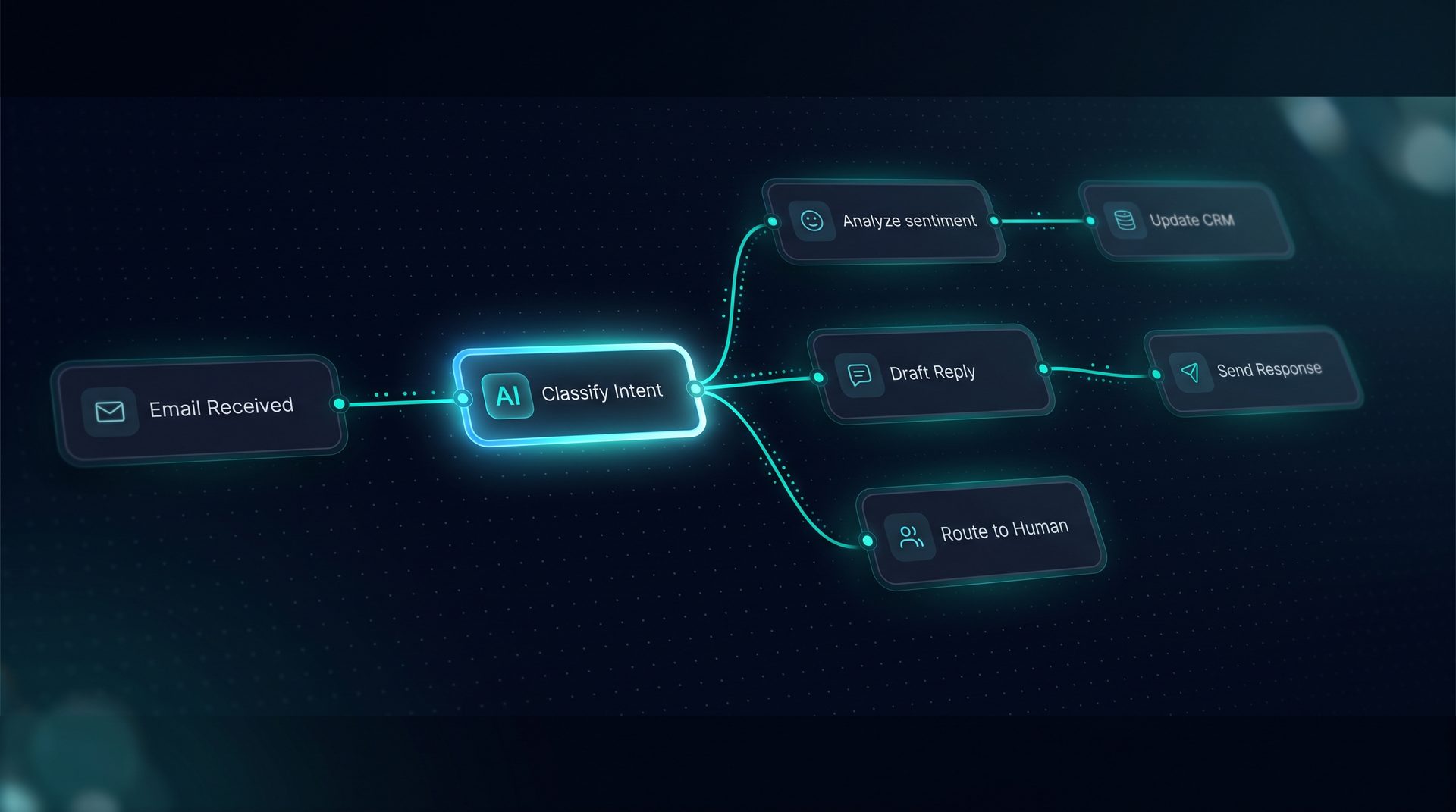
How search engine optimization automation works — step by step
- Define intent: The user describes a goal in plain language (for example, “find keyword gaps for product pages”).
- Data selection: The automation identifies the right data sources — keyword databases, SERP snapshots, backlink stats, and GSC data where connected.
- Retrieval: The system retrieves the relevant datasets and live SERP results.
- Synthesis: An agent reasons over the data and produces a concise recommendation.
- Action: The output includes recommended next steps and can generate shareable reports.
Expert tip: The most useful automation surfaces what to change and why — not just raw tables. That distinction separates generic automated seo tools from actionable automation.
Common capabilities inside search engine optimization automation
- Keyword research that prioritises volume, difficulty, and commercial intent
- Rank tracking that flags meaningful position changes
- SERP analysis to map competitors and identify content gaps
- Backlink overview to compare referring domains and anchor trends
- Google Search Console reads to combine first-party performance with external signals
- AI visibility tracking for monitoring brand citations in AI-generated answers
Each capability should be combined with a reasoning layer that recommends next steps based on the data returned.
Who benefits from search engine optimization automation
- In-house SEO teams that need to scale without adding analysts
- Digital agencies managing multiple client portfolios
- Product managers who require prioritized SEO tasks tied to product pages
- Content teams looking for prioritized keyword targets and content gaps
These users benefit most when the automation explains recommended actions in plain language, enabling non-SEO stakeholders to act quickly.
When to use search engine optimization automation
Use automation when you need to move from observation to action: when a rank drop requires triage, when launching a new product page needs keyword coverage, or when competitor moves suggest content updates. Automation is helpful for recurring audits, continuous rank monitoring, and monitoring AI answer presence.
How to evaluate an automated SEO system
- Does it synthesise recommendations instead of delivering raw tables?
- Can it read Google Search Console data when connected to your account?
- Does it produce shareable HTML reports and a persistent project memory so you do not re-brief every time?
- Does it combine keyword research, SERP snapshots, and rank tracking to create prioritized next actions?
Comparing vendors, ensure the automation references reliable data sources and explains its reasoning.
Where automation can and cannot replace hands-on work
Automation excels at pattern detection and prioritisation: identifying keyword gaps, detecting backlink shifts, and surfacing AI visibility trends. However, content strategy, editorial judgment, and implementation of on-page changes remain human tasks. The right automation reduces manual report reading and surfaces the exact items that require human execution.
How Sintrocat illustrates search engine optimization automation (example)
Sintrocat demonstrates a practical approach to search engine optimization automation by combining hosted SEO data with an agent that reasons over that data. It runs keyword research, fetches SERP snapshots, reads rank tracking history, and pulls Google Search Console metrics when connected. The result is a plain-language recommendation and a suggested next action — for example, which pages to update and which keywords to pursue.
Sintrocat is an example of an automated seo system that emphasises synthesis and recommended actions. It connects to DataForSEO for keyword and SERP data and reads first-party GSC data from your GSC account. This design ensures the synthesis is grounded in documented data sources and project memory stores your context between sessions.
Quick checklist to start with search engine optimization automation
- Connect your Google Search Console account to include first-party performance data.
- Define goal-driven projects (e.g., grow product-page traffic) so the agent can prioritise.
- Track a focused keyword set and review flagged position changes weekly.
- Use generated reports to brief content owners with clear next steps.
Wrap-up
Search engine optimization automation can transform how teams act on SEO data by reducing time spent on report reading and increasing time spent on execution. When you use an automated seo tools approach that prioritises synthesis and clear next steps, you get faster wins and better alignment across product and content teams. Sintrocat is presented as an example that follows that model, emphasising a conversational agent, GSC reads, rank tracking, SERP analysis, and AI visibility tracking to recommend the next action.