Ai Tools For Seo And Aeo
This page focuses on ai tools for seo and aeo and explains their core differences, overlapping capabilities, and practical implications for content and technical work. If you are familiar with basic search optimisation concepts from the parent pillar, this deep-dive will clarify why some ai seo tools prioritize classic ranking signals while others are designed to target answer engines and conversational retrieval.
What "AEO" Means Versus Classic SEO
SEO traditionally optimises for document-level ranking signals — title relevance, backlink authority, on-page structure, and user engagement metrics. AEO (answer engine optimization) focuses on being selected as an answer or snippet inside a retrieval/answering system that returns concise responses rather than a ranked list of full pages.
Important to know: search environments and answer engines may change over time, and outcomes can vary depending on the engine's evaluation criteria and how ai seo tools are configured.
Core technical distinction
- Classic ai seo tools tend to analyse and suggest improvements for page-centric signals: headings, metadata, structured data, internal linking, and topical coverage. They generate keyword lists, content outlines, and technical audits.
- AEO-focused tools emphasise extractable facts, canonical answer formats, structured snippets, Q&A schemas, and conversational intent modelling so answers are concise and directly consumable by an answer engine.
How Ai Tools For Seo And Aeo Differ In Practice
Input and output formats
- Classic ai seo tools often produce long-form drafts, keyword maps, and content brief templates that assume users will publish full pages.
- Tools oriented toward AEO output shorter, atomic answer units: paragraph-sized responses, bullet-point summaries, and single-sentence definitions that can be easily excerpted by an answer engine.
Evaluation signals
- For seo, tools simulate ranking checks: relevance scoring across multiple keywords, topical depth metrics, and backlink opportunity detection.
- For aeo, tools estimate answer-likelihood by assessing clarity, citationability, and whether content includes clearly signalled facts or schema markup that an answer engine can ingest.
Structured data and markup
- Ai seo tools advise schema across many content types and focus on comprehensive implementations that may improve visibility in traditional SERPs.
- AEO-focused approaches prioritise minimal, precise schema that maps to Q&A, FAQ, HowTo, and short facts so that an answer engine can extract and attribute a snippet confidently.
Where Best Ai Tools For Seo And Ai Seo Optimization Overlap
There is significant overlap between strategies used by best ai tools for seo and what supports ai seo optimization toward answer engines:
- Topical authority: both benefit when content is comprehensive and consistently updated.
- Clarity and structure: clear headings, short paragraphs, and consistent labeling help both full-page ranking and snippet extraction.
- Citation and sourcing: answer engines prefer content that references verifiable sources; classic seo also benefits from credible sourcing.
Practical overlap examples
- A content brief that outlines both a long-form article and a set of extractable answer units (a 40–300 word summary for each key question) serves both aims.
- Structured internal linking that groups related answers under hub pages helps traditional crawl depth and provides a logical collection for answer engines to sample.
Tactical Differences: How To Use Tools For Each Goal
Using ai tools for seo (classic) effectively
- Focus on comprehensive keyword clusters and content depth to satisfy multi-paragraph ranking scenarios.
- Use tools to audit technical issues (crawlability, page speed prompts, canonical errors) and address those first.
- Generate long-form outlines that cover subtopics and include natural internal links.
Using ai tools for aeo effectively
- Create concise answer units and label them with clear headings and schema types like FAQ or QAPage.
- Include short, directly sourced statements and place supporting references nearby so an answer engine can assess credibility.
- Format content so single paragraphs can stand alone as answers (one main idea per paragraph).
Content Production Workflows When Targeting Both
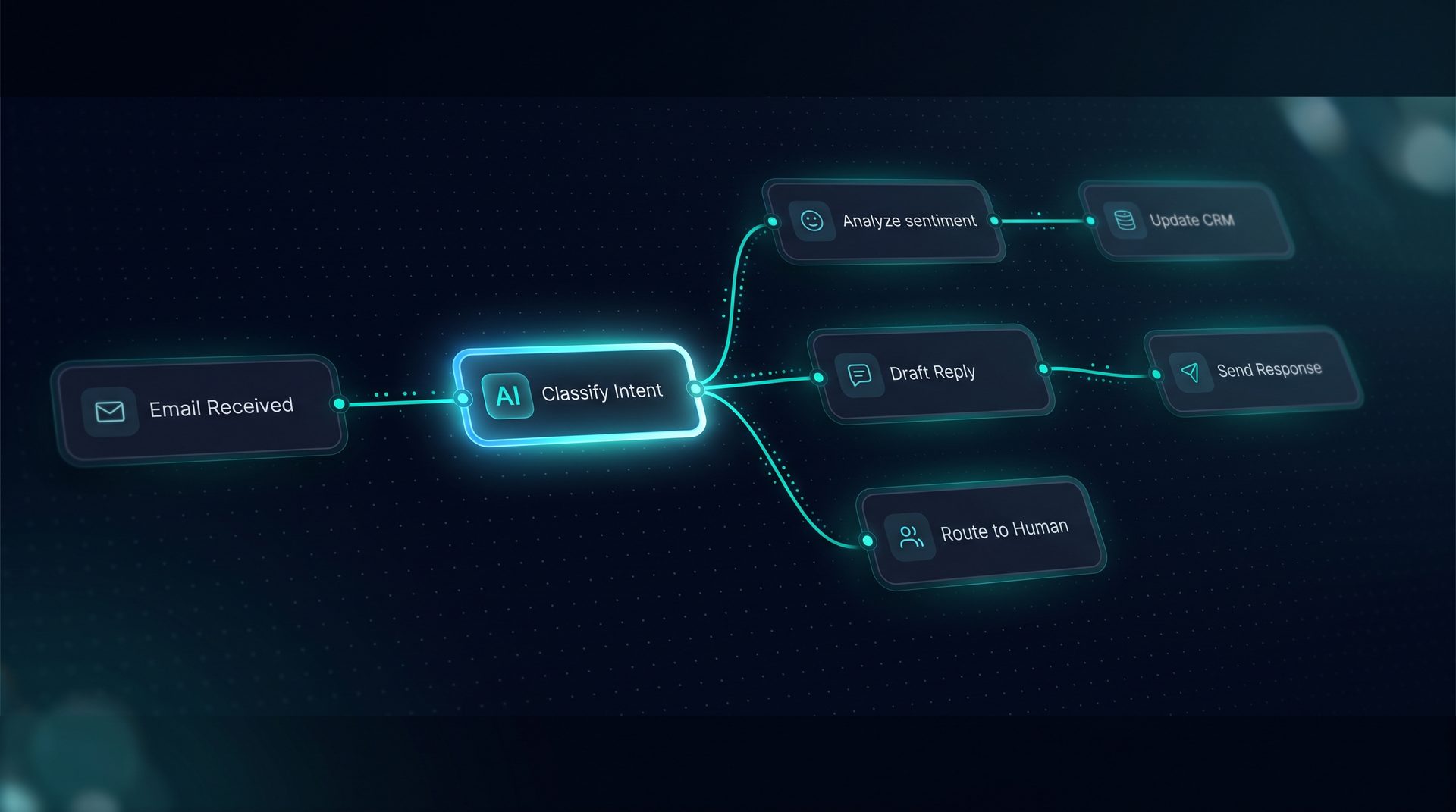
A practical workflow that leverages ai tools for seo and aeo together might look like this:
- Research: run a topical analysis to identify high-priority questions and ranking keyword clusters using ai seo tools and the best ai tools for seo for broad discovery.
- Outline: create a long-form structure that includes dedicated answer blocks for each user question alongside expanded sections for depth.
- Draft: generate long-form paragraphs and separate short, ~one-paragraph answers that can be surfaced independently.
- Mark up: add suitable structured data (FAQ, QAPage, HowTo) and ensure the short answers are near authoritative citations.
- Audit: run both page-level audits and answer-likelihood checks to balance performance across search types.
Important to know: outcomes vary across engines. Some engines prioritise freshness, others favour domain authority or explicit schema. The same content may rank differently in classic search vs an answer engine.
Comparing Specific Outputs From Ai Seo Tools Versus Ai Seo Tool For AEO
- Content briefs: classic tools produce long outlines; aeo-focused tools produce short answer templates.
- Keyword suggestions: classic tools emphasise search volume and difficulty; aeo tools emphasise question phrasing and conversational intent.
- Performance metrics: classic tools simulate SERP position; aeo tools score answer-likelihood based on clarity and extractability.
Edge Cases And Tradeoffs
- Over-optimising for short answer units can reduce the perceived depth of a page, potentially harming pages that need broader topical authority. Conversely, only creating long-form content without clear, extractable answers may miss snippet opportunities.
- In some niches, the best ai tool for seo may be one that balances both capabilities rather than focusing exclusively on one approach.
- For topics that require nuance, fully atomised answers risk oversimplification; adding context and links to detailed sections helps.
Practical Checklist: Preparing Content For Both SERPs And Answer Engines
- Identify priority questions and map them to page sections.
- Produce both long-form content and a set of concise answer snippets for each question.
- Use clear headings and simple language for answer blocks.
- Add structured data appropriate to the answer type and ensure a visible citation near the answer.
- Run an audit for technical SEO issues and a separate check for answer-likelihood or snippet readiness.
Conclusion
Ai tools for seo and aeo share many goals but differ in focus: classic ai seo tools emphasise document-level authority and ranking mechanics, while AEO-targeted approaches prioritise extractable, verifiable answer units. For most content strategies, blending both approaches produces the best practical coverage: produce authoritative long-form pages and deliberately design concise answer units with clear markup. This dual approach supports ai seo optimization and increases the chance of appearing in both traditional search results and answer-driven experiences.
Notes: outcomes can vary across different search and answer systems, and results may change as engines update their ranking and extraction methods. Use adaptable workflows that allow tuning for either format.